To understand diverse microorganisms, their pathogenesis and resultant immune responses, research in MCB probes microbial physiology, the composition and function of microbiomes, innate and adaptive immunity, and translational strategies. This research and work helps us predict infection epidemics, design better therapies and reengineer host and microbe for improved health and industry.

Area Directors
Area Directors help advise students about classes and rotations in their interest area. They also provide a listing of suggested courses for those interested in Microbiology, Infection & Immunity.
Faculty Area Directors
- Patrick Mitchell, UW, Microbiology Department (psmitche@uw.edu)
- Adrian Piliponsky, SCRI (adrian.piliponsky@seattlechildrens.org)
Student Area Directors
- Ashley Person, Cohn Lab (aperson@fredhutch.org)
- Sam Ritmeester-Loy, Stetson Lab (samloy@uw.edu)
Suggested Curriculum
The suggested curriculum outlined below is meant to guide you in choosing classes. We highly encourage you to take the Foundational courses, while the Electives are more specialized and often cross between Areas of Interest. Remember to review the UW Time Schedule for the most accurate and up-to-date information regarding whether a course is currently being offered.
MCB students must take a total of 18 graded credits before taking their General Exam. They must be 500-level courses listed in the Area of Interest offerings. Students may petition the MCB co-directors (mcb@uw.edu) to receive credit for courses not listed, or lower-level courses. The suggested curriculum is also available as a document download.
Foundational Courses
This track is broadly divided into the related sub-tracks of immunology, virology, and bacteriology. Interested students can focus on one sub-track or mix and match from these sub-tracks depending on their specific area of research. Area directors or more senior MCB students can discuss these sub-tracks with interested students.
Subtrack 1 – Immunology
Introduction to Immunology
General properties of immune responses; cells and tissues of immune system; lymphocyte activation and specificity; effector mechanisms; immunity to microbes; immunodeficiency and AIDS; autoimmune diseases; transplantation.
Note: This is an introductory course for students without a background in immunology. Graduate students must obtain approval from the MCB Co-Directors for this 400-level class to count toward their 18 graded credits.
Quarter and frequency offered: Autumn (AUT), every year
Weeks: 1-10
Credits: 4.0
Next offering: AUT 2026
Intersection of Innate and Adaptive Immunity in Disease
Examines the molecular and cellular basis of immune function. Topics include: hematopoiesis, innate immunity, antigen receptor structure, lymphocyte development, antigen presentation, effector T-cell functions, and immune-mediated diseases.
Prerequisite: Coursework in molecular genetics; intro to Immunology course; graduate standing in immunology; other graduate students with permission of instructor.
Quarter and frequency offered: Winter (WIN), every year
Weeks: 1-10
Credits: 4.0
Last offering: WIN 2026
Next offering: WIN 2027
Immunological Methods
Introduces whole animal, cellular, biochemical, and molecular techniques used in immunological research. Discusses strengths and limitations of each technique and emphasizes caveats in interpreting the resulting data.
Quarter and frequency offered: Autumn (AUT), every year
Weeks: 6-10
Last offering: AUT 2025
Next offering: AUT 2026
Subtrack 2 – Virology
Molecular Biology of Viruses
Introduction to the molecular biology of viruses and virus-host relationships. Designed for advanced undergraduates in the biological sciences. Coverage focuses on human viruses, with an emphasis on the molecular mechanisms of viral replication.
Note: This is an introductory course for students without a background in virology. Graduate students must obtain approval from the MCB Co-Directors for this 400-level class to count toward their 18 graded credits.
Prerequisite: BIOL 200
Quarter and frequency offered: WIN
Weeks: 1-10
Credits: 4.0
Next offering: WIN 2027
Virology
The molecular biology, transmission, and pathogenesis of human viruses will be explored. In addition to general principles of virology, lectures and paper discussions will focus on specific human pathogens including HIV, herpesviruses, ebolaviruses, alphaviruses, and adenoviruses, among others.
Quarter and frequency offered: AUT, even years
Weeks: 1-10
Credits: 3.0
Next offering: AUT 2026
Subtrack 3 – Bacteriology
Prokaryotic Diversity
MICROM 512 covers diverse aspects of metabolism, growth, behavior, and interspecies interactions that are specifically found in bacteria and archaea. The course integrates complex concepts from biochemistry, genetics, and ecology. There is a weekly discussion section covering primary research articles corresponding to the topics covered in lecture.
Quarter and frequency offered: SPR
Weeks: 1-10
Credits: 4.0
Next offering: SPR 2027
Molecular Mechanisms of Bacterial Pathogenesis
The processes bacterial pathogens employ to shape interactions with their hosts will be explored in molecular detail through selected examples in the literature.
Prerequisite: One year of undergraduate cellular and molecular biology. An introductory course in microbiology is recommended.
Quarter and frequency offered: AUT, odd years
Weeks: 1-10
Credits: 3.0
Next offering: AUT 2027
Elective Courses
Modern Approaches to Vaccines
Covers selected topics based on recent publications in viral and bacterial vaccine research. Emphasizes understanding the latest advanced and issues in vaccine discovery, mechanisms of action, and special topics in viral vaccines.
Quarter and frequency offered: SPR, even years
Weeks: 6-10
Credits: 1.5
Last offering: SPR 2026
Vaccines
Overview of issues in vaccine development, clinical trials, implementation of vaccination programs, and the role of vaccines in the control of infectious diseases. Emphasizes current issues and real-world challenges in the vaccine field and features critical reading of the literature.
Instructions: Contact epcourse@uw.edu for add code.
Quarter and frequency offered: AUT, even years
Weeks: 1-10
Credits: 3.0
Next offering: AUT 2026
Biochemistry and Genetics of Pathogens and Their Hosts
Provides a strong foundation in biochemistry, molecular biology, and genetics for students interested in disease. Principles illustrated through examples focusing on pathogens, and infectious and non-infectious disease. Offered jointly with PABI0 551.
Prerequisite: Undergraduate-level coursework in molecular biology or biochemistry, or permission of instructor.
Quarter and frequency offered: WIN, odd years
Weeks: 1-10
Credits: 4.0
Next offering: WIN 2027
Immunological Based Diseases and Treatments
Addresses the mechanisms leading to the development of immunologically based diseases. In particular, covers immunological basis and treatment of infection, autoimmunity, and cancer.
Quarter and frequency offered: SPR
Weeks: Information not available
Credits: 2.0
Last offering: SPR 2026
Next offering: SPR 2027
Cell Biology of Human Pathogens and Disease
Provides a strong foundation in cell biology for students interested in infectious disease. Principles illustrated through examples focusing on pathogens.
Prerequisite: Undergraduate-level coursework in biology or molecular biology or permission of instructor.
Quarter and frequency offered: WIN, even years
Weeks: 1-10
Credits: 4.0
Next offering: Tentatively in WIN 2028
Programming – Seminars and Events
| Event/Activity | Location | Contact | Date/Time |
|---|---|---|---|
| Virus Meeting | FH – B1 072/074/076 | Freddy Garcia (admin), viddadmin@fredhutch.org Patrick Mitchell (co-director), psmitche@uw.edu Daniel Blanco-Melo (co-director), dblancom@fredhutch.org |
Thursdays, 9:30-10:30 a.m. |
| Immunology Department Seminar Series | UW SLU – Orin Auditorium | Sally Dee (admin), sd56@uw.edu | Tuesdays, 9:30-10:30 a.m. |
| Microbiology Department Seminar Series | UW SLU – Orin Auditorium | Rebekah Murphy (admin), microevents@uw.edu | Tuesdays, 4:00-5:00 p.m. |
| VIDD Seminar Series | FH – Pelton Auditorium | Freddy Garcia (admin), viddadmin@fredhutch.org | Tuesdays, 3:00-4:00 p.m. |
| Immunology Department Research in Progress (RIP) | UW SLU – Orin Auditorium (location may vary) | Sandy Turner (admin), sst5@uw.edu | Thursdays, 3:30-4:30 p.m. |
| Microbiology Department Work in Progress (WIP) | UW SLU – Brotman Auditorium (location may vary) | Rebekah Murphy (admin), microevents@uw.edu | Friday, 9:30-10:30 a.m. |
| No Guts No Glory (mucosal immunology group meeting) | UW SLU – Brotman Auditorium | Brenda Norris (admin), BNorris@benaroyaresearch.org | First Monday of each month, 3:00-4:30 p.m. |
| American Society for Microbiology, NW Branch Meeting | On rotation | NW ASM website | Typically the weekend before Veteran’s Day |
Spotlight
Microbes and the fight to contain them
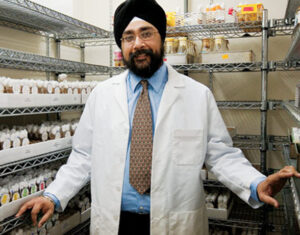
Seattle MCB combines leaders in microbiology, immunology, host-pathogen response and autoimmunity from premier institutions and departments including:
- Fred Hutchinson Cancer Center
- UW Departments of Microbiology and Immunology, which consistently rank in the top 10 programs for graduate studies according to the US News and World Report.
- UW Center for Emerging and Reemerging Infectious Disease (CERID)
- UW Center for Innate Immunity and Immune Diseases (CIID)
- Benaroya Research Institute is a leader in autoimmune disease research.
- Seattle Children’s Research Institute Center for Global Infectious Disease Research has intentional renowned scientists in the field of HIV/AIDS, tuberculosis, malaria, and emerging infectious diseases.
- Institute for Systems Biology (ISB) explores environmental microbes and the host-pathogen interface.